The loom you buy is a decade at the bench.
A first wheel, a wider loom, the estate floor loom that needs a weekend of work: each one is a long commitment and a hundred small trade-offs. Sort the footprint, the warp width, and the prices the used market really charges, before the cloth is ever on the beam.
Every loom and wheel the hall has weighed
The master ledger. Each entry is set down against what actually decides the purchase: type, weaving width, and the price band to expect. The ones already covered link straight to their review; more are warping on the bench.
| Entry | Type | Width | Price band | Status |
|---|---|---|---|---|
| Schacht Cricket | Rigid heddle loom | 10" – 15" | $229 – $246 | Reviewed |
| Tapestry & frame looms | Tapestry / frame | Lap to 30"+ | $20 – $200 | Guide |
| Ashford Rigid Heddle | Rigid heddle loom | 16" – 32" | TBD | Forthcoming |
| Best rigid heddle looms | Buyer's roundup | Various | TBD | Forthcoming |
| Schacht Baby Wolf | Folding floor loom | 26" | TBD | Forthcoming |
What the secondhand market really charges
Estate looms flood the used market, and a showroom can't tell you what one is really worth. A clean used Schacht Cricket runs roughly $100 to $180 depending on width and reeds, against $229 to $246 new as of June 2026: a real saving, if a smaller one than the 40 to 60 percent a used floor loom can shave off.
See the used Cricket numbers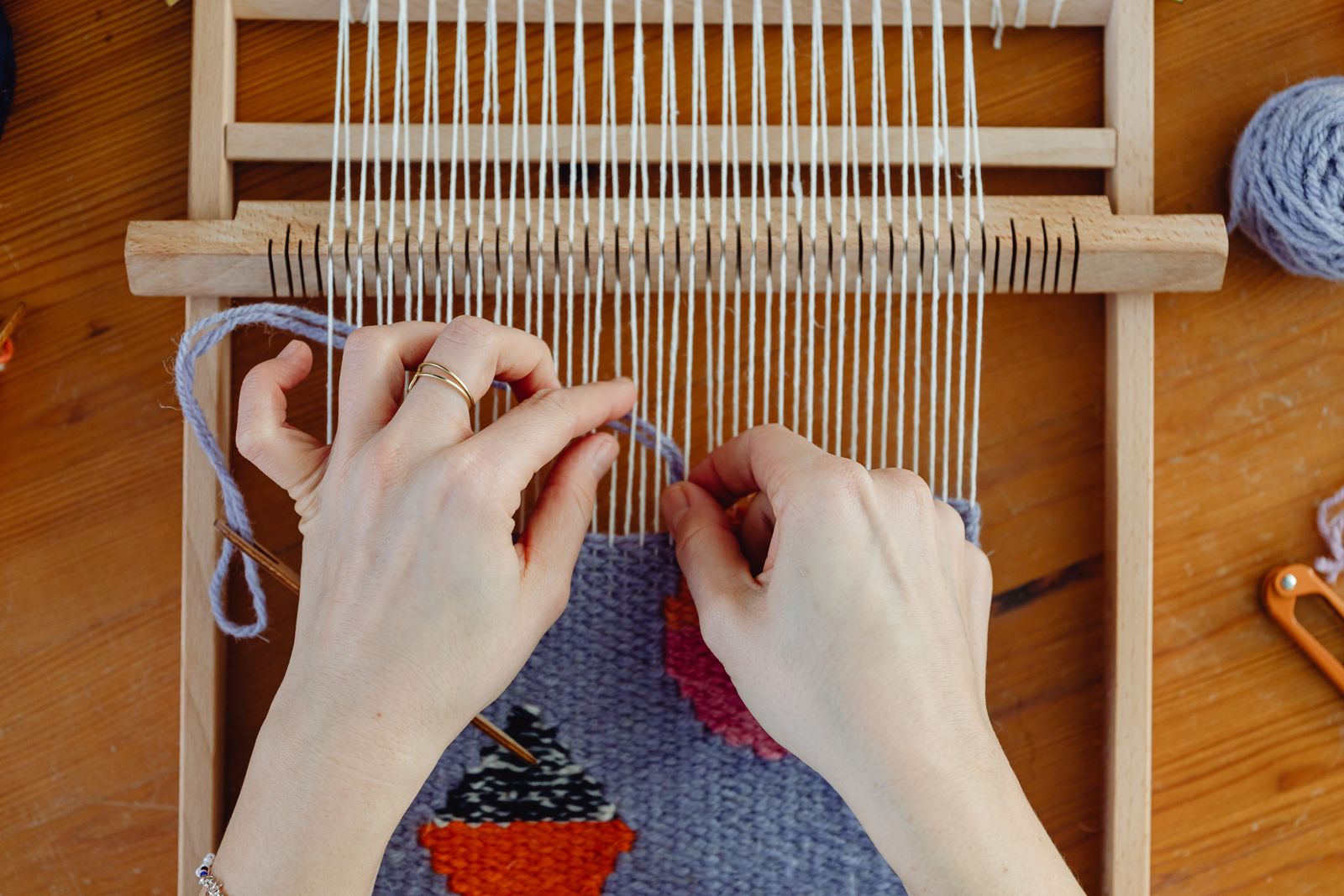
From the writing bench
All writing →-
 Guides
Frame Loom vs Rigid Heddle: Which Should You Buy First?
Frame loom vs rigid heddle vs tapestry loom, decoded: what each actually weaves, real prices from $20 to $495, and which to buy first. Verified July 2026.
-
 Guides
Hand Carders vs. Drum Carder: Do You Need to Upgrade?
Hand carders cost under $100 and suit small batches. A drum carder for wool runs $600 to $835 new, or $250 to $500 used, and about doubles processing speed.
-
 Guides
Yarn Swift and Ball Winder: The Complete Pairing Guide
A swift holds the hank open; the winder cranks it into a cake. Neither does much alone. Winder types, and the best budget and premium pairs, verified July 2026.
The questions every weaver and spinner asks
Can you use knitting yarn for weaving?
Mostly yes, with one caveat. Weft can be nearly anything, including every knitting yarn in your stash. Warp is the demanding job: it needs to survive tension and abrasion, so loosely spun singles will fray and snap. Smooth, plied yarns make fine warp, and rigid heddle looms are the most forgiving place to learn the difference.
What can you actually weave on a rigid heddle loom?
More than its price suggests: scarves, towels, shawls, fabric for sewing, and with pickup sticks or a second heddle, real pattern work. What it won't do is complex multi-shaft structures or very fine setts at speed. For most weavers it's years of honest work before the floor loom question even comes up.
Should I learn on a drop spindle or a spinning wheel?
Start with a spindle unless you're certain. Twenty dollars teaches you drafting, twist, and whether spinning holds you, and the skill transfers directly to a wheel. Wheels reward commitment with speed and comfort. The e-spinner is the modern third path: wheel speed, tabletop footprint, no treadling.
Is an old loom worth restoring?
Often, emphatically yes. Looms from the major makers are furniture-grade machinery, and an estate find at a few hundred dollars can equal thousands new. The judgment calls are missing parts, frame squareness, and brand support. Our used-market guides carry the inspection checklist and what sold listings actually fetch.