Best Rigid Heddle Loom: Ranked by Width and Budget
The Schacht Cricket 15-inch suits most beginners; Ashford wins wide weaving on cost per inch. Width-per-dollar tables and picks by buyer, prices verified 2026.
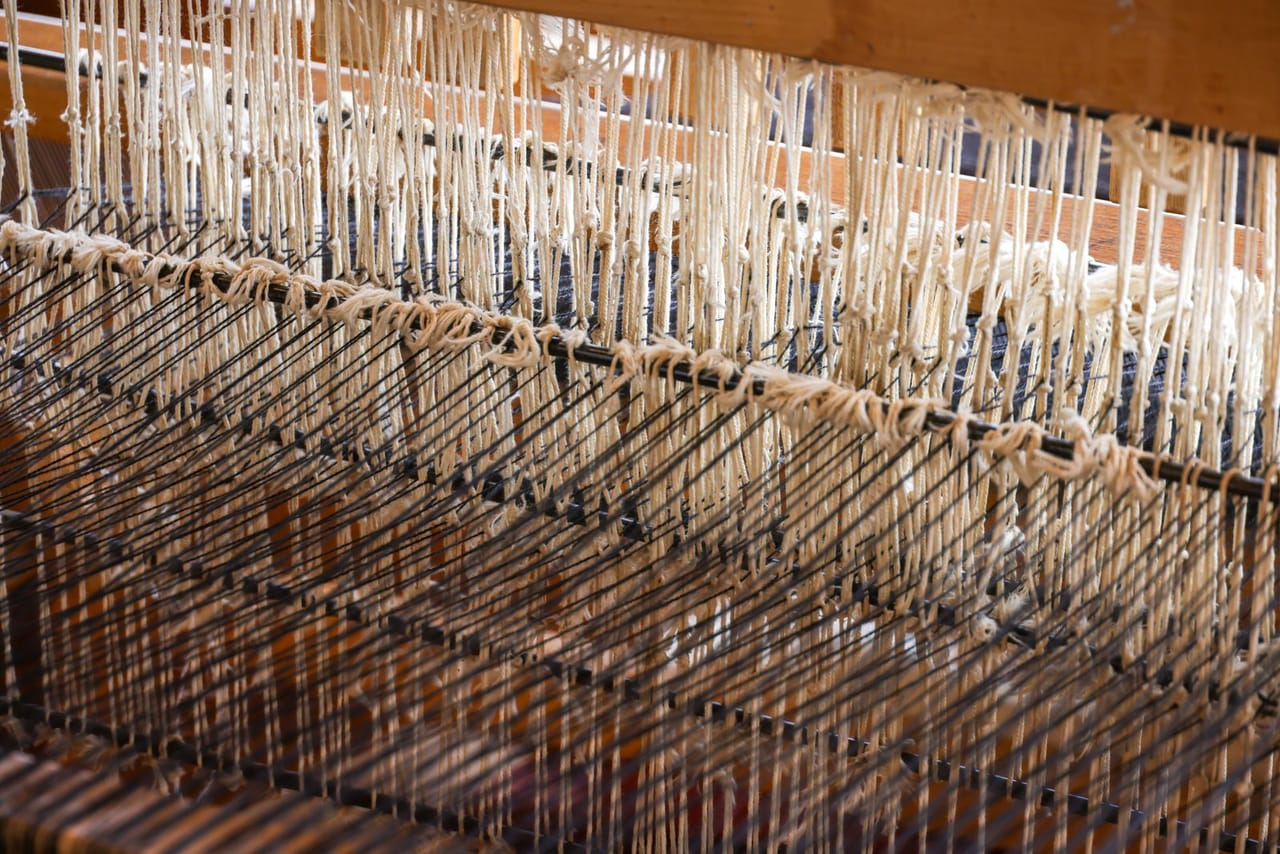
The best rigid heddle loom for most beginners is the Schacht Cricket 15-inch, about $246. It comes ready to warp from the box, weaves scarves and towels, and has the largest tutorial ecosystem in the class. At wider widths, the Ashford Rigid Heddle Loom wins on cost per inch.
The Ashford SampleIt 16-inch at $255 is the right alternative if you prefer the Ashford accessory family or Silver Beech over maple, and at wider widths Ashford wins on cost per inch and it isn’t close. This is the full field ranked by width and budget, with prices verified June 2026.
How do you read the comparison table?
Three numbers matter when choosing a rigid heddle loom: weaving width, price, and cost per inch of width. The third is the one beginners overlook, and it is the number that decides every wide-loom comparison.
Weaving width is the maximum width of cloth the loom can produce. A 10-inch loom weaves a skinny scarf. A 15 or 16-inch loom weaves a standard scarf, a kitchen towel, and a table runner. A 24-inch loom weaves a placemat or wide yardage. A 48-inch loom weaves a blanket panel in a single pass.
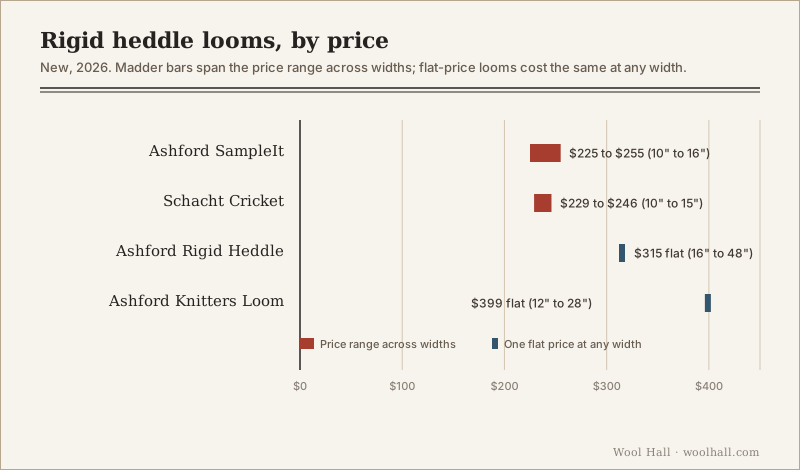
Price is straightforward. The lowest-cost entry is around $225 (Ashford SampleIt 10-inch). The highest in this class is $399 (Ashford Knitters Loom, any width).
Cost per inch is what reveals where each loom really sits. Ashford’s flat pricing across widths makes the wide models dramatically cheaper per inch than any narrow loom.
The full field: width-per-dollar table
All prices verified June 2026 on manufacturer and retailer pages.
| Loom | Weaving width | Price (new) | Cost per inch | Reed included | Notes |
|---|---|---|---|---|---|
| Ashford SampleIt | 10” | $225 | $22.50 | 7.5-dent | Silver Beech; lightest weight entry |
| Schacht Cricket | 10” | ~$229 | $22.90 | 8-dent | Maple; Cricket Quartet NOT available for this width |
| Ashford SampleIt | 16” | $255 | $15.94 | 7.5-dent | Best price/inch below 20” |
| Schacht Cricket | 15” | ~$246 | $16.40 | 8-dent | Cricket Quartet upgrade available |
| Ashford Knitters Loom | 12” | $399 | $33.25 | 7.5-dent | Folding, carry bag, fully assembled |
| Ashford Rigid Heddle | 16” | $315 | $19.69 | 7.5-dent | Two-heddle blocks built in |
| Ashford Knitters Loom | 20” | $399 | $19.95 | 7.5-dent | Folding, portable |
| Ashford Knitters Loom | 28” | $399 | $14.25 | 7.5-dent | Foldable at 28” is unusual |
| Ashford Rigid Heddle | 24” | $315 | $13.13 | 7.5-dent | The value jump: blanket width at floor-loom prices |
| Ashford Rigid Heddle | 32” | $315 | $9.84 | 7.5-dent | |
| Ashford Rigid Heddle | 48” | $315 | $6.56 | 7.5-dent | Blanket in one pass |
The pattern in that table: at 10 to 15 inches, the Cricket and the SampleIt trade within cents of each other. Both are good looms, and the choice comes down to ecosystem preferences and reed-dent preference. At 16 inches, the SampleIt at $15.94/inch beats the Rigid Heddle Loom’s $19.69/inch. At 24 inches and up, Ashford is the only rational choice purely on cost per inch.
Which rigid heddle loom should you buy?
It depends on what you weave most. The Schacht Cricket 15-inch is the default first loom, Ashford’s flat-priced models win wide weaving, and the Knitters Loom is the pick only if portability is worth the premium. Here are the picks by buyer.
Best for most beginners: Schacht Cricket 15-inch (~$246). The 8-dent reed, the maple construction, the Cricket Quartet upgrade path, and the unmatched tutorial ecosystem (Schacht’s own YouTube archive, Kelly Casanova’s school, and more Ravelry beginner posts than any competitor) make this the default recommendation. Start here unless you have a specific reason not to.
Best value entry: Ashford SampleIt 16-inch ($255). A dollar wider and nine dollars more than the Cricket 15-inch, with a 7.5-dent instead of 8-dent reed and the Ashford accessory family behind it. Equal quality, slightly different feel. If you prefer Silver Beech or want to stay in the Ashford ecosystem for future upgrades, this is the loom.
Best for wide weaving: Ashford Rigid Heddle Loom 24-inch ($315). At $13.13 per inch, this loom produces weaving that used to require a floor loom investment. Weave kitchen towels flat (not in two narrow strips), placemats in a single pass, and wide fabric for bags or clothing panels. The flat pricing means you pay the same $315 for a 48-inch as a 16-inch, making the wide models the obvious choice once you decide width matters.
Best for travel: Ashford Knitters Loom 20-inch ($399). The folding design and padded carry bag are the only reasons to pay the Knitters Loom premium. If the loom lives on a table and never moves, any other model is the same weaving experience for less money. The 20-inch gives you real weaving width in a portable package.
Best if you want shaft weaving later: Schacht Cricket 15-inch with Cricket Quartet upgrade path. The $497 Cricket Quartet converts a 15-inch Cricket into a genuine 4-shaft loom. No Ashford rigid heddle has a comparable upgrade path. If you already know you want 4-shaft weaving but want to start on a rigid heddle, the 15-inch Cricket is the loom to keep.
What about cheaper looms?
The rigid heddle category has a sub-$150 tier of looms: Beka frames, Schacht Zoom, and a range of import kits that look like rigid heddle looms. These are not the same class of tool.
The construction difference is real. Beka and import kits use lighter wood, softer joins, and less refined pawl systems. They work for short warps and for testing whether you like the craft. They flex under tension on longer warps, and the lighter wood means the frame can drift out of square. Owners in Ravelry’s weaving groups who started on cheap kits and moved to a Cricket or Ashford consistently note the difference in warping stability and cloth evenness.
The right decision is: if you are testing whether you want to weave at all, buy a $30 frame loom. If you are ready to actually weave cloth you’ll use, buy a Cricket or a SampleIt. The gap between “test” and “real loom” is about $200 and it is worth paying once rather than twice.
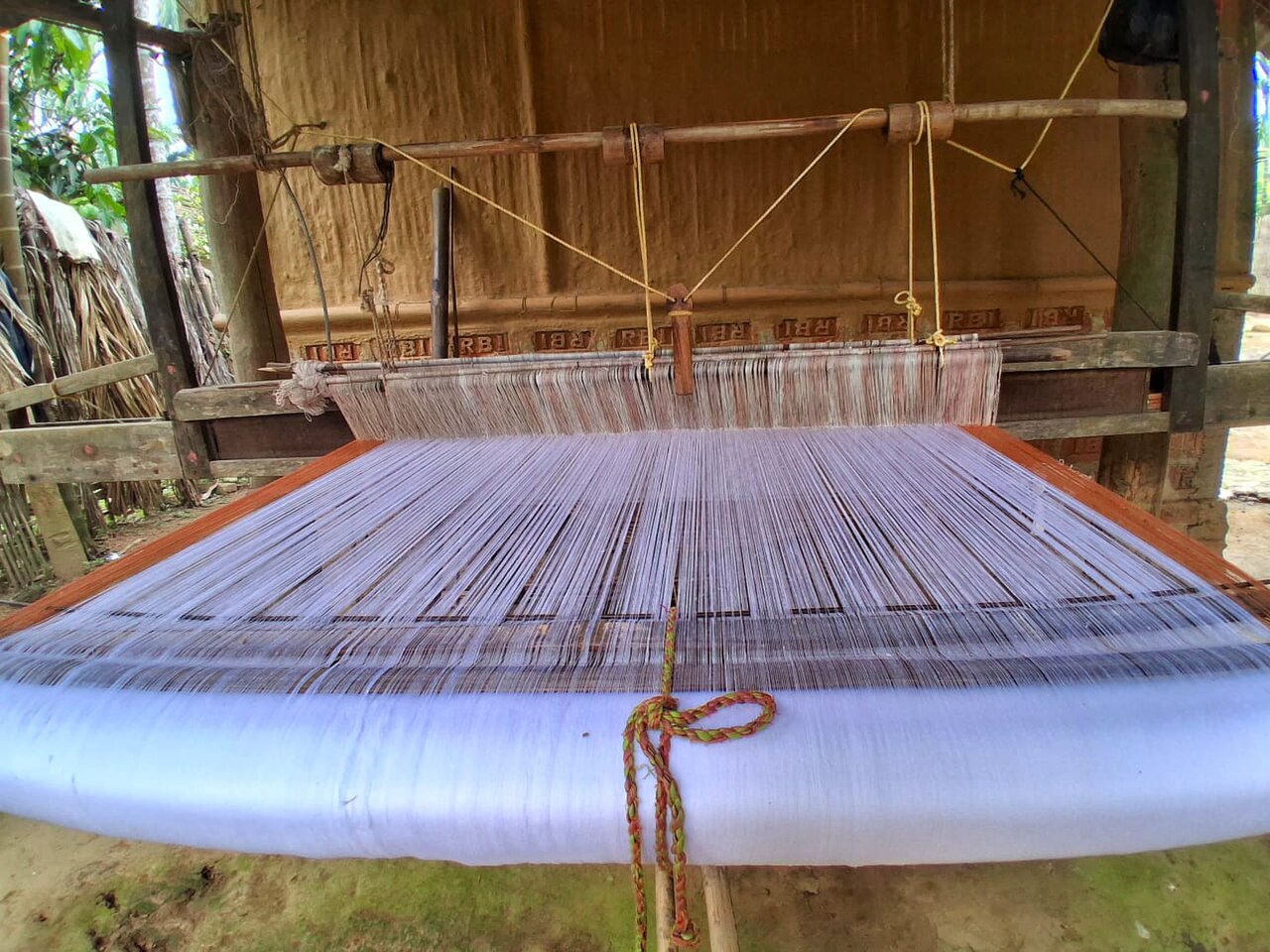
What can a rigid heddle loom not do?
It cannot make 4-shaft twills, complex overshot, or anything that requires four independent shafts. That is a floor loom or table loom job. Here is what it does instead, the thing every buyer should know before choosing this class: a rigid heddle loom makes plain weave (and with extra tools, simple float patterns and some twill-like structures with a second heddle).
The rigid heddle family is the right choice for weavers who want real cloth without a studio or a $2,000 investment. It is not a stepping-stone to floor-loom weaving in most cases: the skills overlap but are not the same, and most rigid heddle weavers keep weaving on rigid heddles for years or forever. The loom you buy first is often the loom you use most.
For the detailed two-model head-to-head, see the Schacht Cricket review and the Ashford rigid heddle review. Ready to put one on a table and start? The rigid heddle first project walks through your first warp with actual yarn quantities and a project plan that finishes in a weekend.